I Nairobi er matatu mer enn et kjøretøy. Den er kultur, opprør, overlevelse og i flere tiår et omstridt territorium i en av Øst-Afrikas mest komplekse uformelle økonomier. Matatuens historie speiler Kenyas egen: rastløs, oppfinnsom, kaotisk og formet av maktkamper som utspiller seg både i det åpne og i skyggene.
Opprinnelsen: Da Matatu ble et opprør
På begynnelsen av 1960-tallet, da Kenya ble selvstendig, var mobilitet et privilegium. Kenya Bus Service fraktet eliten i ikoniske røde og hvite dobbeltdekkere, mens vanlige borgere gikk eller klamret seg fast i overfylte lastebiler. I denne ulikheten kom de første matatusene: improviserte pickuper utstyrt med trebenker, ladbare tretti cent-mang'otore matatu på kikuyu-slang.
Det som begynte som et provisorisk kjas og mas, ble snart en demokratisk bevegelse. Matatus lot vanlige kenyanere ta byen i bruk på sine egne premisser. “Vi følte oss frie for første gang,”, forteller en pensjonert sjåfør. “Du trengte ikke å være rik for å flytte.” De var ikke bare transport, de var motstand, en folkelig erklæring om at mobilitet ikke bare tilhørte de velstående.
Neonboomen: Matatus som urban kunst og identitet
På 1980-tallet svulmet Nairobi opp av hustlere, studenter, migranter og drømmere. Matatuene utviklet seg i takt med byen. Importerte Nissan- og Toyota-minibusser ble til rullende gallerier: dundrende lydanlegg, veggmalerier av Tupac og Bob Marley, Luo-ordspråk på sidene og neongraffiti i interiøret. Musikken hadde premiere i dem, Sheng-slang ble mainstream, og ungdomsidentiteten tok form innenfor veggene. “Matatusene er våre reklametavler”, sier en graffitikunstner fra Umoja. “De roper ut hva byen tenker.”
Men under kreativiteten var det en annen motor som gikk på høygir konkurranse om kontroll over rutene.
Karteller og skyggeøkonomi vokser frem
På slutten av 1980- og begynnelsen av 1990-tallet var matatu-rutene, de usynlige veiene som forbinder Eastlands-gårdene med CBD, blitt gullgruver. Med daglig kontantstrøm og minimal regulering tiltrakk bransjen seg karteller som var ivrige etter å monopolisere etapper, kreve inn “avgifter” og hevde territoriell dominans. I sentrum for dette skiftet var Mungiki, Mungiki, en sekt som ble født i Sentral-Kenya og forkynte kulturell vekkelse, men som utviklet seg til et organisert kriminelt nettverk. Under ledelse av Maina Njenga gikk Mungiki inn i matatu-verdenen med hensynsløs presisjon.
Operatørene opplevde store “registrering”, daglige avgifter som håndheves gjennom tvang, sabotasje ved manglende overholdelse og streng kontroll av lastesoner, kjent som kukula njengo (“å spise ruten”). På midten av 1990-tallet hadde Mungiki herredømme over Nairobi og deler av Rift Valley, og kanaliserte millioner av kroner inn i undergrunnsøkonomi og politisk klientellisme.
Matatu-krigene: Da mobilitet ble en slagmark
Motstanden mot Mungiki vokste frem fra grunnen av. Grupper som Jeshi la Embakasi- en løs allianse av smuglere, avhoppere og unge menn fra Østlandet - lovet en mer rettferdig behandling og utfordret kartellets dominans.
Det som fulgte på slutten av 1990-tallet og begynnelsen av 2000-tallet ble kjent som Matatu-krigene. Scenene ble forvandlet til slagmarker, rivaliserende mannskaper gikk løs på hverandre med grove våpen, og passasjerene gikk om bord i matatuene med stille frykt. “Du visste aldri om du ville komme hjem,”, minnes en pendler fra Dandora. Mobilitet ble uatskillelig fra vold.
Michuki-reglene: Reform, motstand og illusjonen om orden
I 2004 innførte transportminister John Michuki omfattende reformer som omformet bransjen: påbud om bilbelte, fartsregulatorer, uniformerte mannskaper, restriksjoner på CBD-tilgang og tiltak mot ulovlige etapper.
I en periode ble sikkerheten bedre, utpressingen avtok, og rutene stabiliserte seg. Men håndhevelsen av loven bleknet, og kartellene tilpasset seg. På 2010-tallet ble vakuumet splittet opp i mindre gjenger - Gaza i Mathare, Taliban i Eastlands, 40 Brothers i Kibera - som hver for seg skapte sine egne mikroterritorier, ofte beskyttet av uformelle beskyttelsesnettverk. Kampen skiftet karakter, men den tok aldri slutt.
2025: Fra macheter til møter - en ny æra for kartellenes makt
Dagens kartellvirksomhet ser annerledes ut. Volden har flyttet seg under jorden, utpressingen er mer sofistikert, og innflytelse forhandles i økende grad i styrerommene i stedet for i bakgatene.
Moderne taktikker inkluderer:
- “Spøkelsesavgifter” trukket fra gjennom digitale systemer
- Kontroll av etapper via saccos og rutetildelinger
- Hvitvasking av penger gjennom eksklusive matater med Wi-Fi, LED-skjermer og spesialtilpasset interiør
- Politiske allianser som former lokalvalgene
Det anslås at bransjen genererer titalls milliarder kroner årlig, mye av det uregulert. “We betale avgifter vi ikke engang ser,”, sier en sjåfør på Umoja-ruten. “Det er som om selve veien har usynlige eiere.”
Innovasjon vs. etablert makt
Selv om kartellene utvikler seg, gjør også transportlandskapet det.
- Apper for samkjøring utfordrer gamle systemer
- Boda bodas og tuk-tuks trenger inn på ruter som tidligere var strengt beskyttet
- Kenyas klimateknologiske bevegelse introduserer elektriske busser
- Ungdomskollektiver gjenerobrer matatu-kunst som kreativ motstand
Matatuene har blitt både et symbol og en slagmark i en større nasjonal debatt om mobilitet, sikkerhet og modernisering i byene.
Utover Kenya: En kontinental historie
Nairobis matatu-saga gjenspeiler kampen over hele Afrika. Lagos kjemper med danfo Johannesburgs drosjekrig former den urbane sikkerheten, og Kampalas boda-nettverk definerer tempoet. I alle disse tilfellene er uformell transport både en livsnerve og en slagmark - livskraftig, viktig, omstridt og dypt knyttet til politisk økonomi.
For globale lesere handler historien ikke bare om Nairobi. Den handler om hvordan byer over hele verden sliter med spenningen mellom grasrotinnovasjon og organisert kontroll.
Føniksen holder ut
Til tross for flere tiår med vold, utpressing, regulering og gjenoppfinnelse, er matatuen fortsatt intakt. Den er et symbol på kenyansk motstandskraft, der humor, musikk, kunst og solidaritet blomstrer selv under press.
På disse veiene blir fremskrittet ikke bare asfaltert - det blir forhandlet, kjempet for og ofte gjenvunnet. matatu er både skygge og lys, en påminnelse om at mobilitet aldri bare handler om transport. Det handler om overlevelse, identitet og retten til å gjøre krav på byen.
Relaterte innlegg
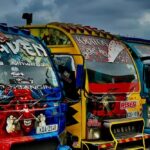 Historien om Kenyas matatu-kultur: Ikoner, kaos og kunst på hjul
Hvis Nairobi hadde hatt et offisielt soundtrack, ville det vært det basstunge drønnet fra matatus -...
 Forstå Jamhuri-dagen: Hjertet av Kenyas uavhengighet
Jamhuri-dagen er Kenyas frihetshjerte - en dag til minne, stolthet og fornyet målbevissthet. Den...
 Arkitektforeningen bak Kenyas ikoniske KICC
Kenyatta International Congress Centre (KICC) Da Kenya ble selvstendig i 1963, var den unge nasjonen...
 English (UK)
  Svenska
  Dansk
Dansk  Kiswahili
  Norsk bokmål